






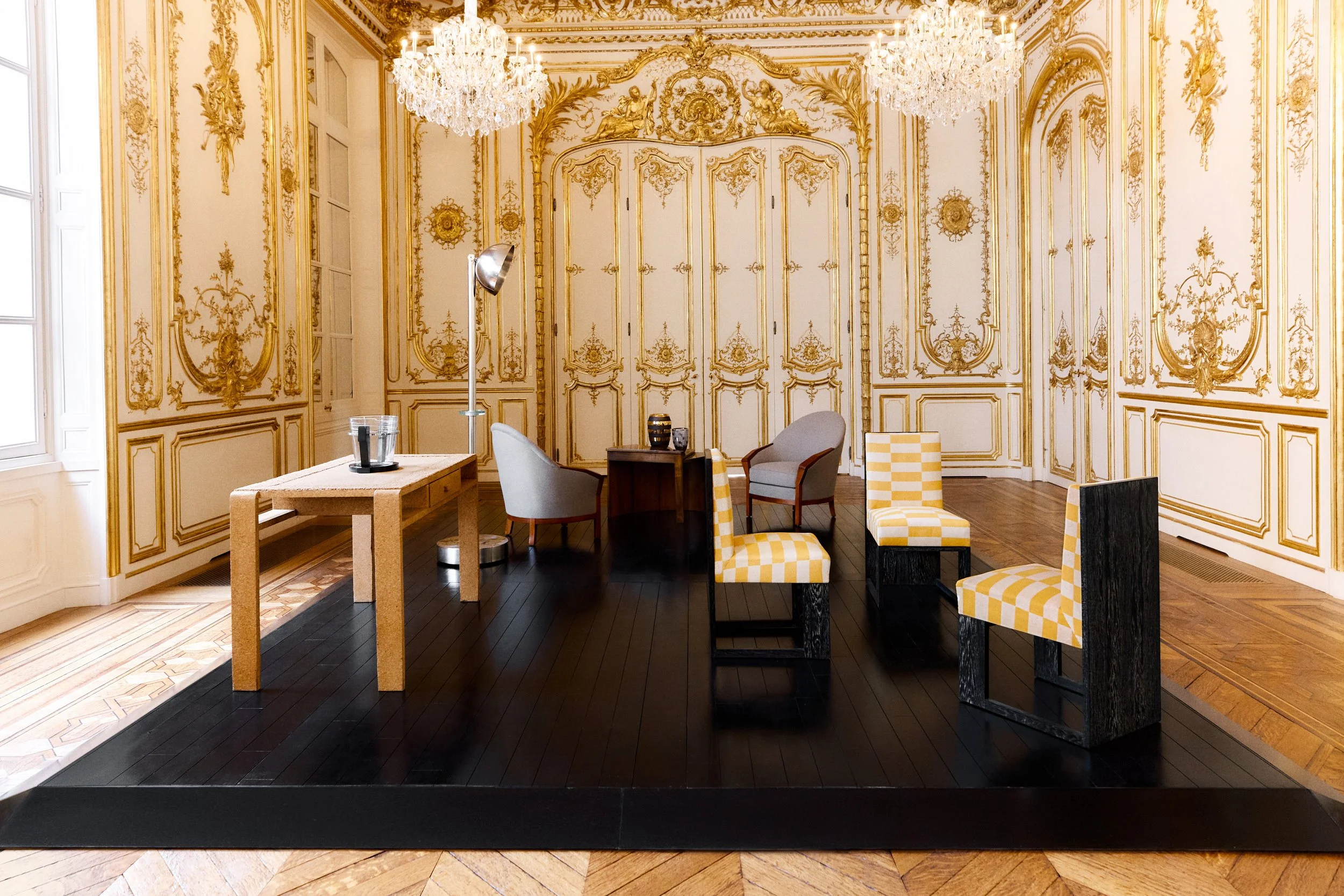
Modernisme(s)
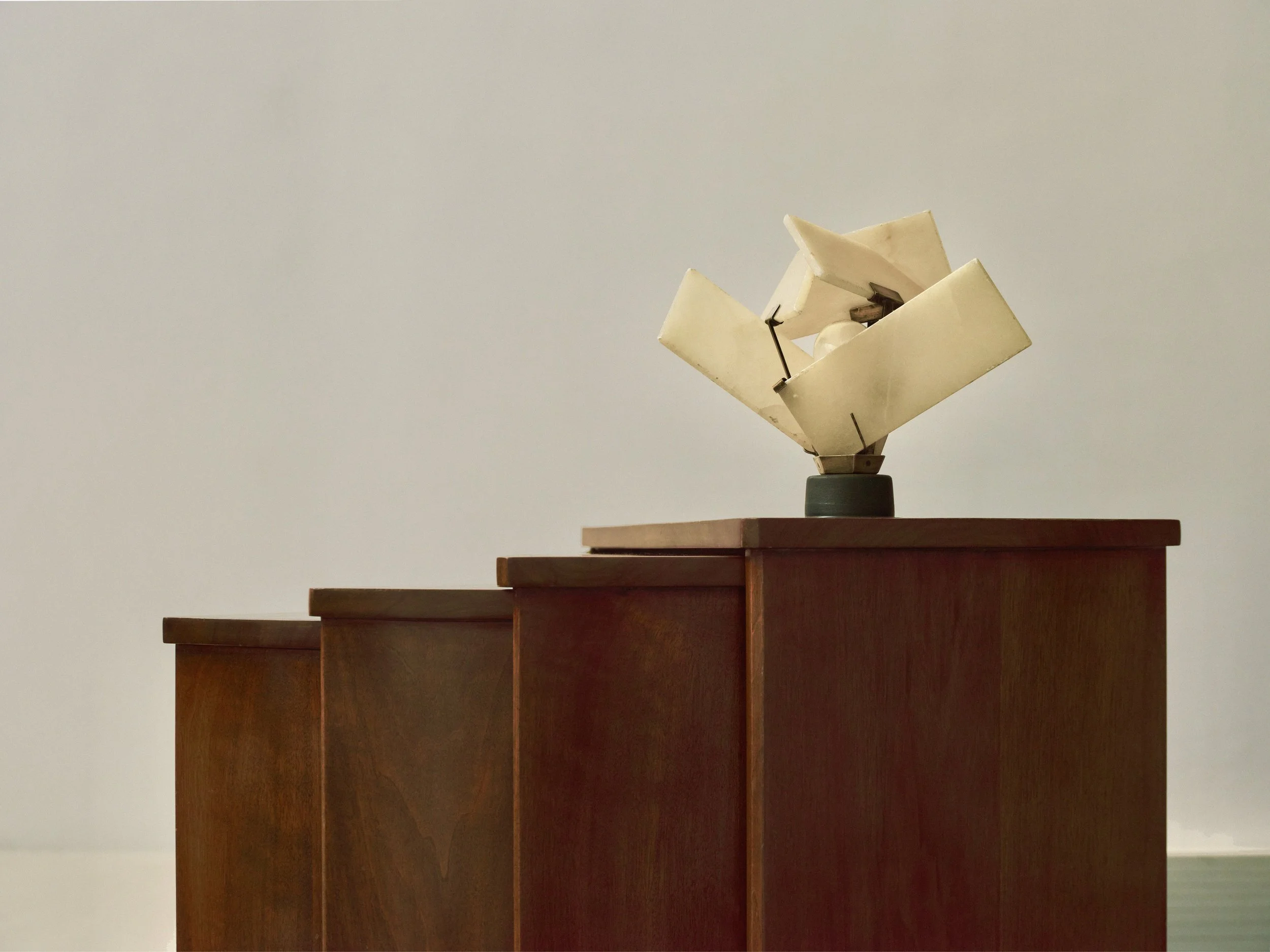
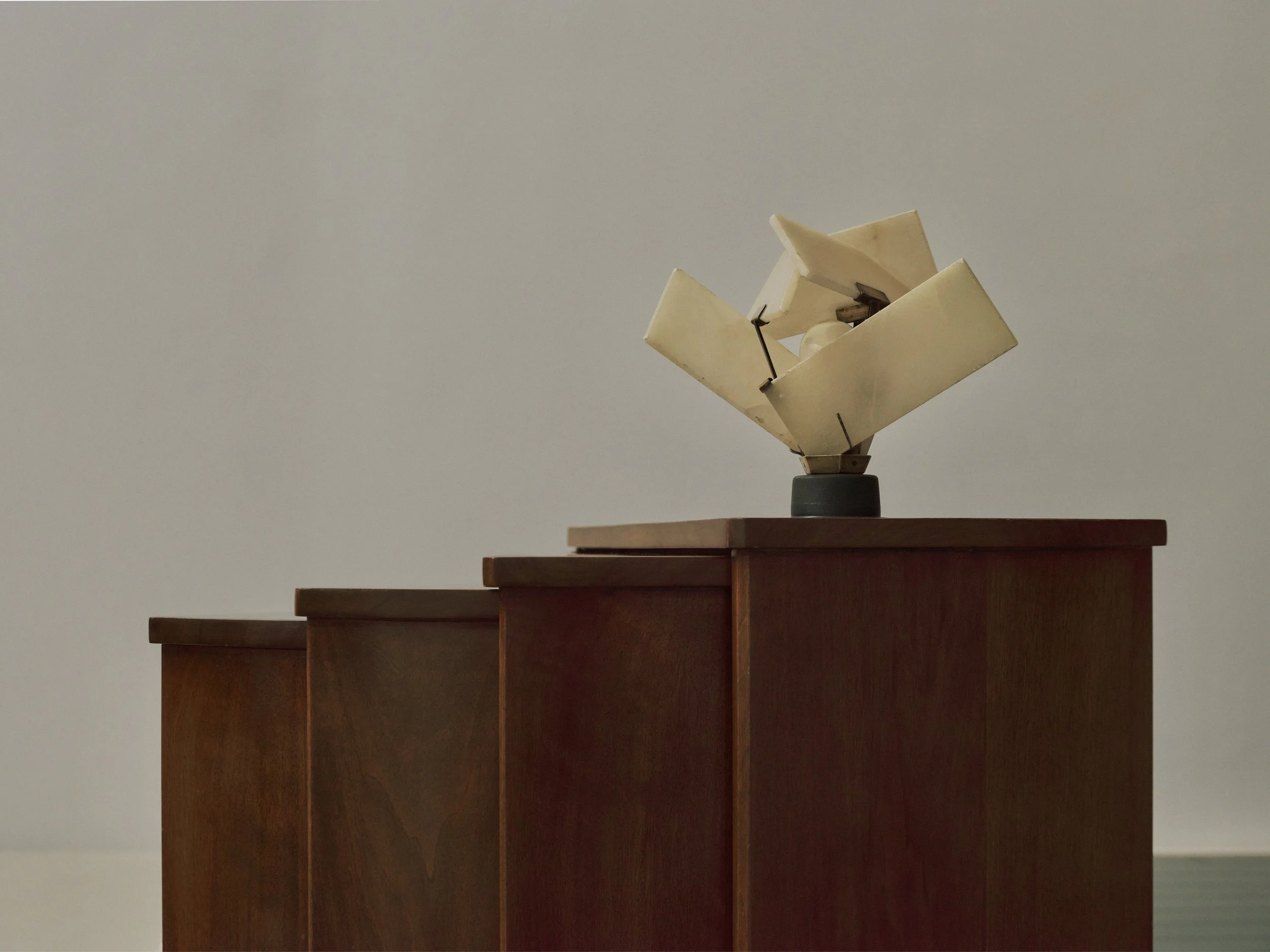
For Design Miami.Paris 2026, Galerie Maxime Flatry presented Modernisme(s) which traced the emergence of modernism within French Art Deco at the turn of the 1930s, as a generation of designers moved away from ornament towards simplified forms, function and a closer relationship between furniture and architecture.
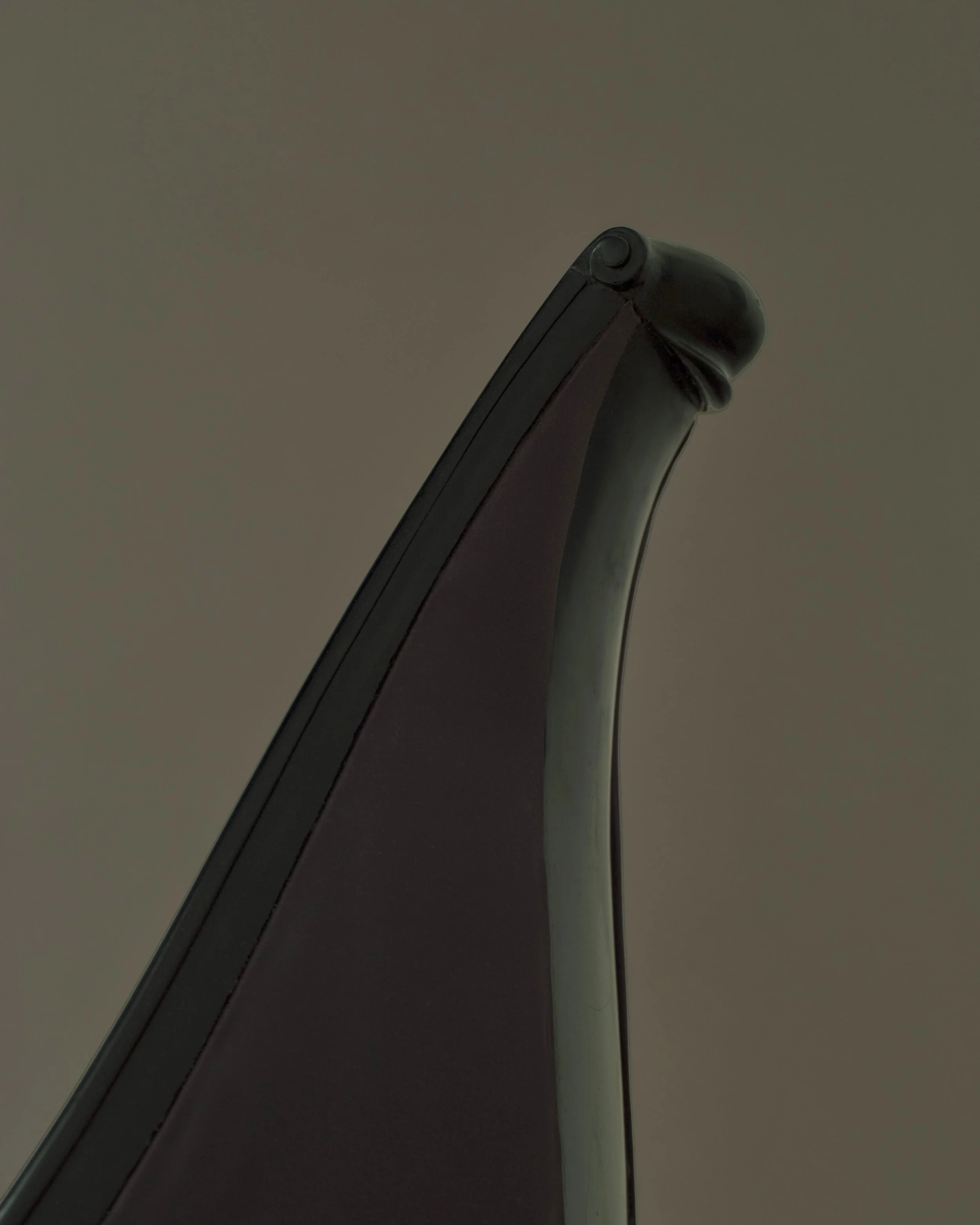
At its centre is a unique model of chair designed by Robert Mallet-Stevens in 1932 for the Villa Cavrois, presented in three examples for the first time. Works by Pierre Chareau and other figures of the period reveal the markedly different responses that emerged from this rethinking of the decorative arts.
Past exhibition
Un Goût 1925
A hundred years ago, on April 28th, 1925, the Exposition Internationale des Arts Décoratifs et Industriels Modernes opened in Paris. This landmark event not only introduced the world to a new aesthetic language but also laid the foundation for one of the most transformative move- ments in design history: Art Deco. With its bold fusion of modernist, pure lines, impeccable craftsmanship, and the use of luxurious materials, the Exposition marked a revolution in how art and design were perceived.
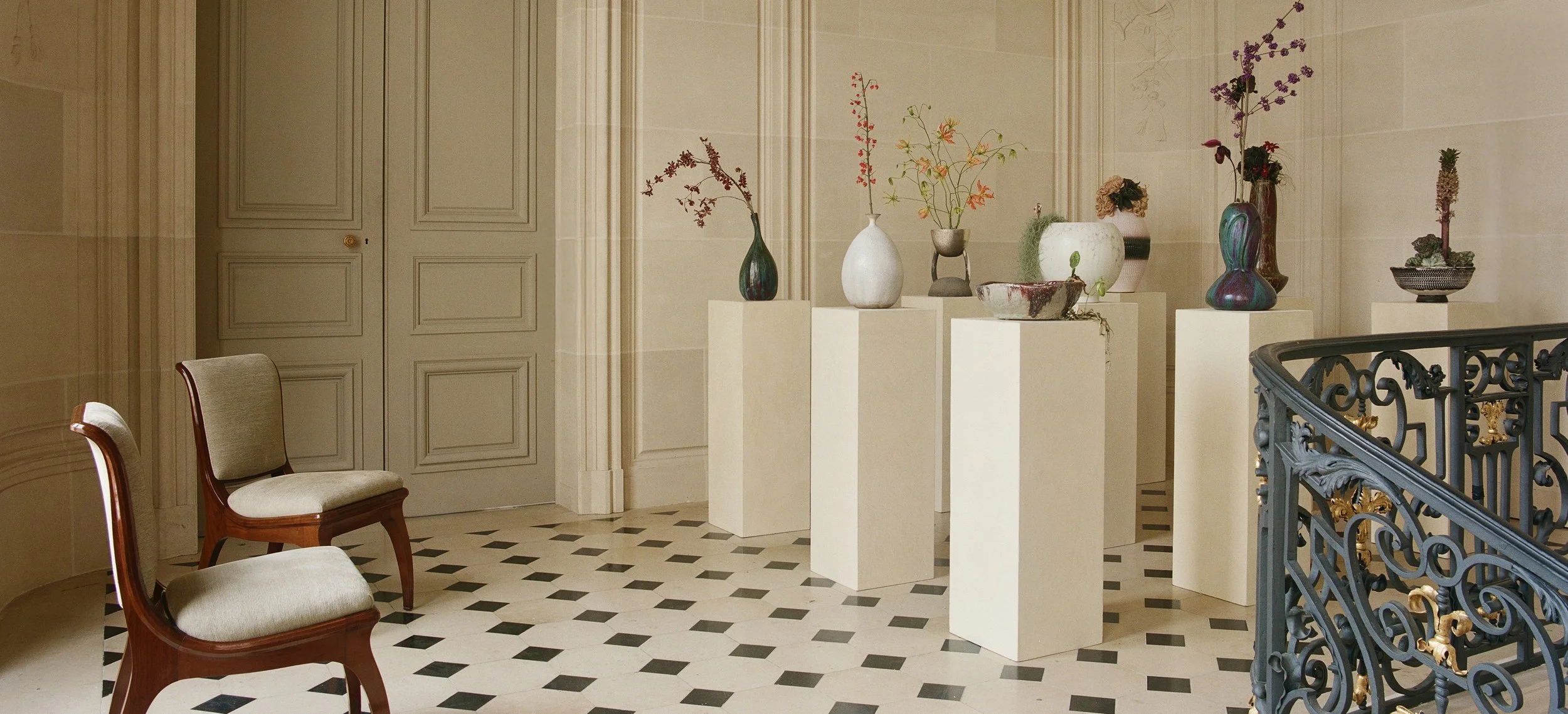
To mark the centennial of this historic event, Galerie Maxime Flatry presents its latest exhibition, “Un Goût 1925”, offering a modern and personal lens on the 1925 show. On display are works by figures such as Jacques-Émile Ruhlmann, Jean Dunand, André Groult, and Maurice Dufrène—renowned artists whose iconic creations were featured at the Exposition and whose legacy has been championed by the gallery since its inception in 2022.
Beyond showcasing rare and important pieces by these celebrated designers, the exhibition also offers a comprehensive view of the aesthetic language of the 1925 Exposition. “Un Goût 1925” epitomizes the precious materials integral to the design ethos of the time, with furniture in amboyna-veneered and richly carved woods, lacquer, as well as eggshell and shagreen. Additionally, the exhibition highlights one of the most striking features of the 1925 Exposition — only revealed after the images from the era were colorized: the importance of color — bold, deep, and vibrant tones that became intrinsic to the Art Deco style.
Ultimately, “Un Goût 1925” promises to offer an evocative taste of this historic exhibition, presented through the profoundly contemporary point of view of Galerie Maxime Flatry.


Displayed at the gallery


